
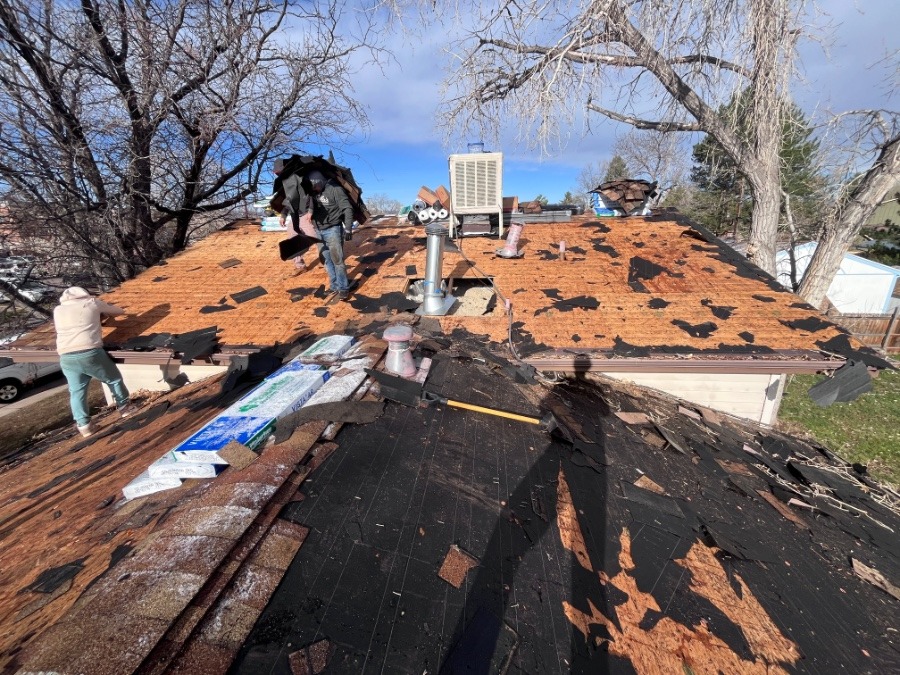
After a severe storm passes, the silence that follows can be deceptive. While the wind has died down and the rain has stopped, your home may still be hiding damage. A storm often compromises your roof’s structural integrity, which is your home’s main defense against the weather. Dealing with the aftermath requires prompt attention and reliable emergency roofing support to keep your family safe and protect your investment.
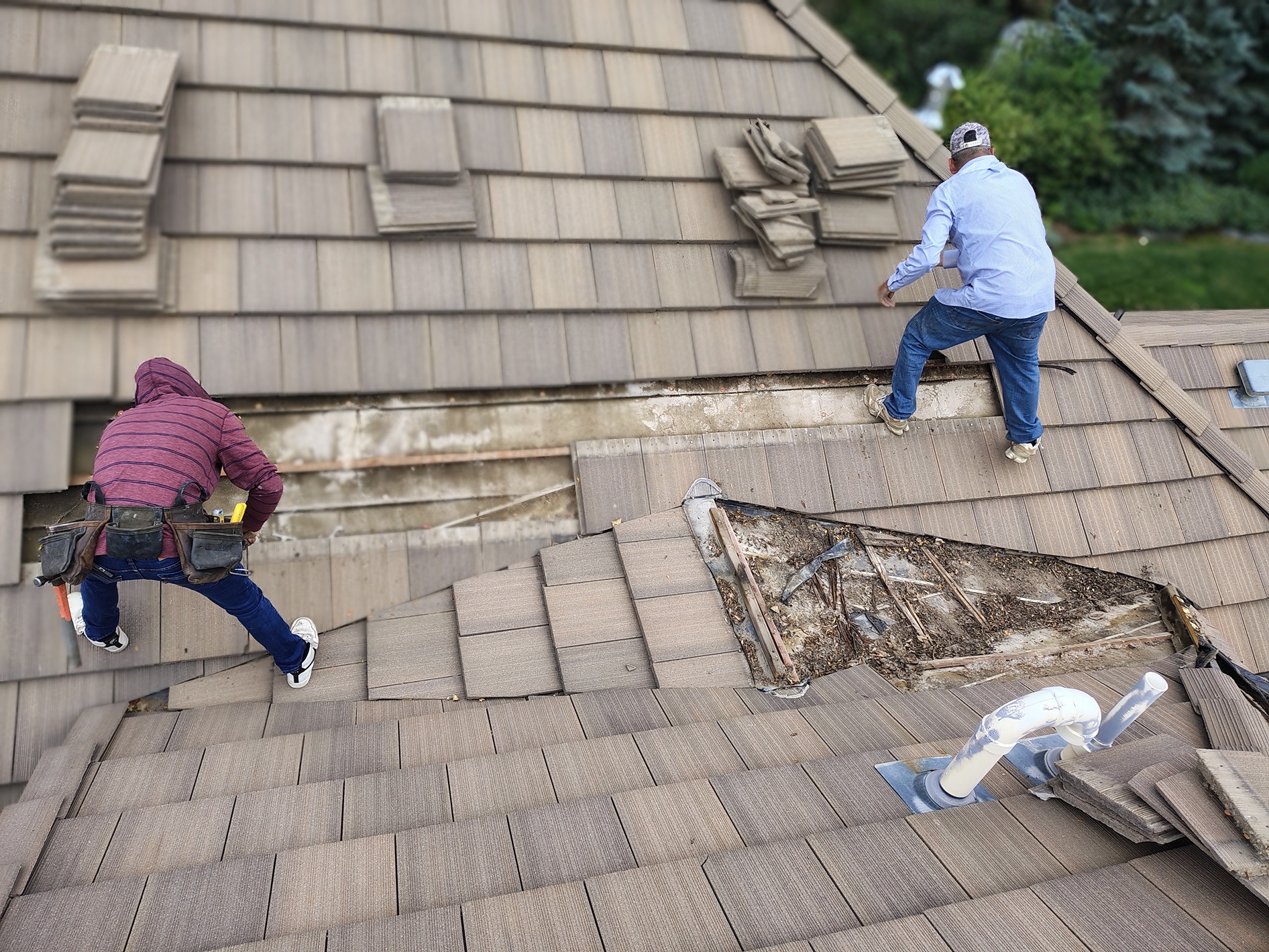
When you begin planning a roof replacement or repair, it is normal to feel stressed. The market is full of “red flags” such as sneaky contractors, high-pressure sales pitches, and shady P.O. box addresses. To get a roof that keeps your home safe, you need to look past the warning signs and focus on the positive traits of professional local roofers.
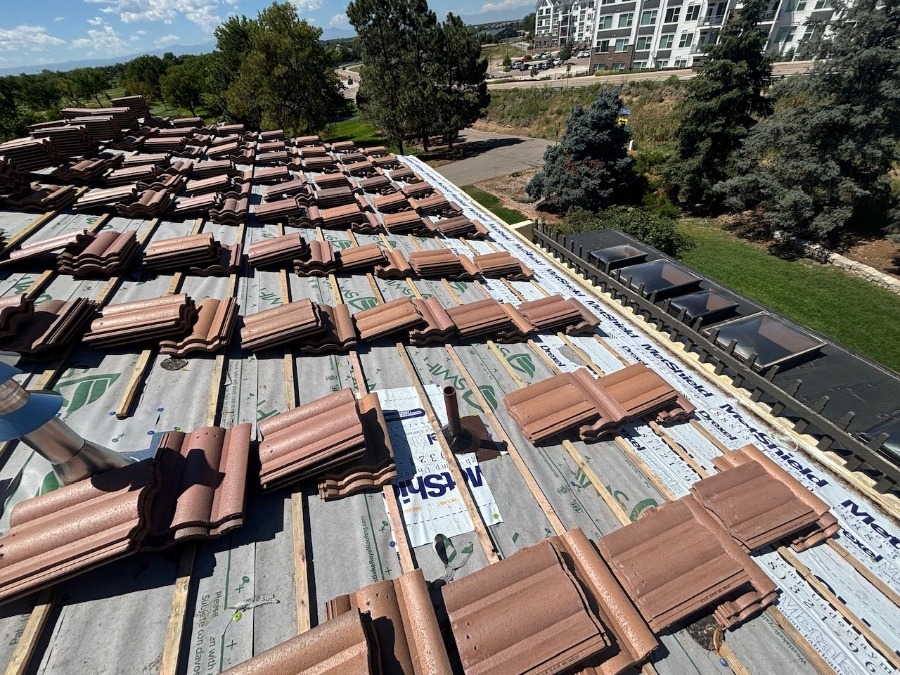
Picture this: you get home and find that the ceiling in your living room has dropped due to water damage because the new roof was incorrectly fitted. You try to contact the contractor, but the phone number doesn't work. Your down payment is lost, your house is damaged, and the cheap offer you found online has become a costly problem. Unfortunately, this affects many families. With so many options available, it is hard to know which contractors to trust for home improvement work. The good news is there is a better alternative. If you choose a Directorii roofing contractor, you can protect your home with a system that reduces the risks of hiring a contractor.
