
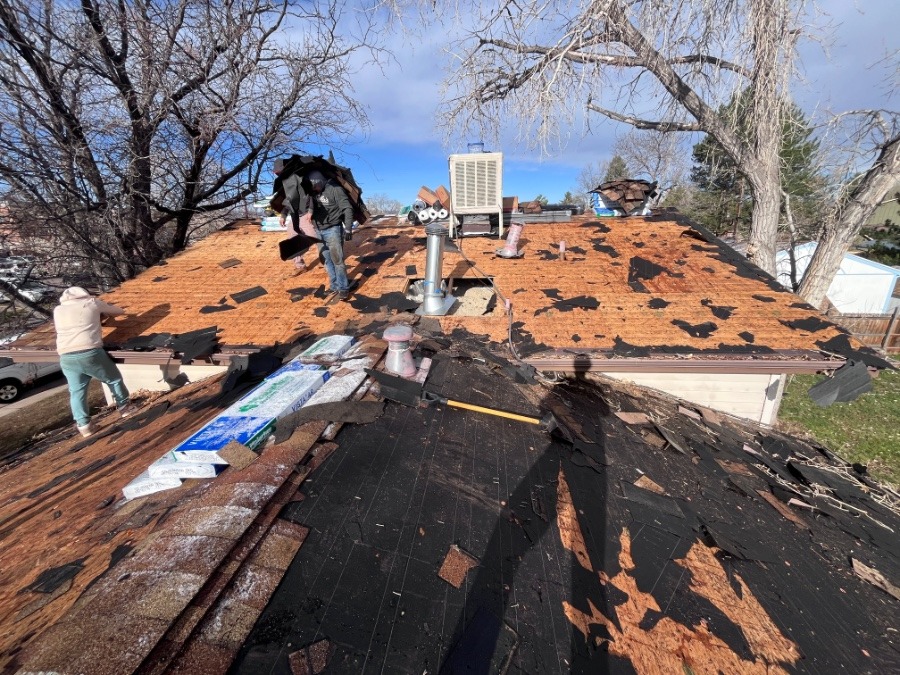
After a severe storm passes, the silence that follows can be deceptive. While the wind has died down and the rain has stopped, your home may still be hiding damage. A storm often compromises your roof’s structural integrity, which is your home’s main defense against the weather. Dealing with the aftermath requires prompt attention and reliable emergency roofing support to keep your family safe and protect your investment.
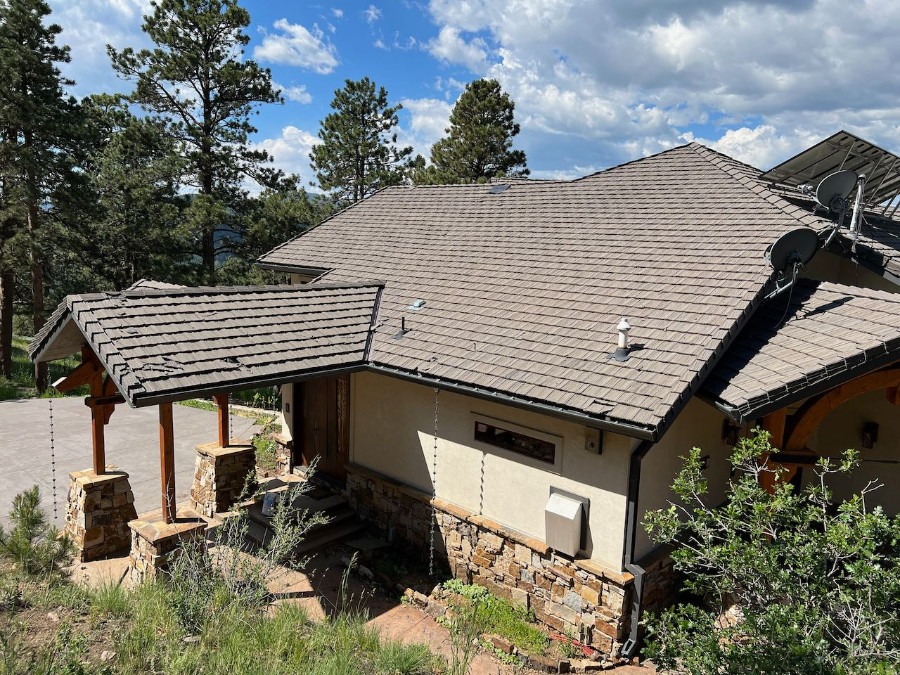
For many homeowners, the roof is an afterthought that only gains attention when a leak appears. But looking at a new roof as just another expensive bill to pay means missing the bigger picture. When you shift your mindset to view your roof as a long-term investment that adds value to your home, the conversation changes from finding the cheapest bid to getting the most for your money. Concrete tile roofing stands at the forefront of this shift, offering a level of durability and performance that lowers your overall housing expenses over the years. When you invest in a quality tile system up front, you are setting your home up for lower energy bills, minimal repairs, and peace of mind.

Colorado’s dramatic scenery comes with equally dramatic weather. Among the most common and costly threats are hailstorms, which can strike quickly and leave behind significant roof damage. For homeowners, even minor impacts can escalate into leaks, structural issues, and expensive repairs if not addressed promptly. Understanding when hail damage roof repair is needed and how to choose the right hail roofing company are essential steps in protecting your home.
