
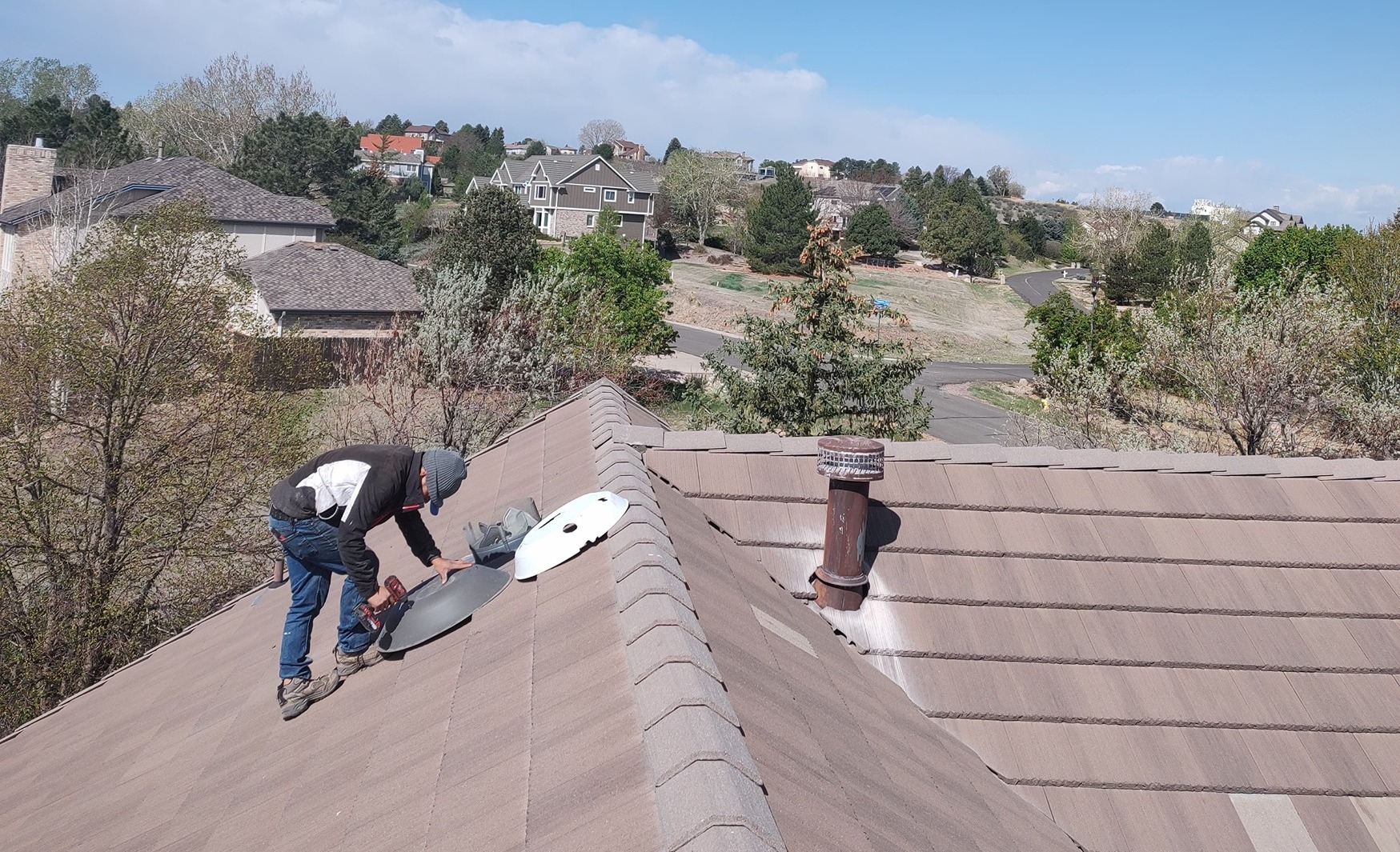
A roof can make it through a rainy fall without any obvious problems and still be vulnerable when winter arrives. Cracked seals, loose flashing, and worn shingles can let melting snow seep beneath the roof’s surface, where moisture may damage insulation, wood, and ceilings. Identifying these weak spots before winter weather intensifies gives homeowners time to address them before snow and freezing temperatures make repairs more difficult. Here are seven signs your home may need winter roof repair before the first big snowfall.
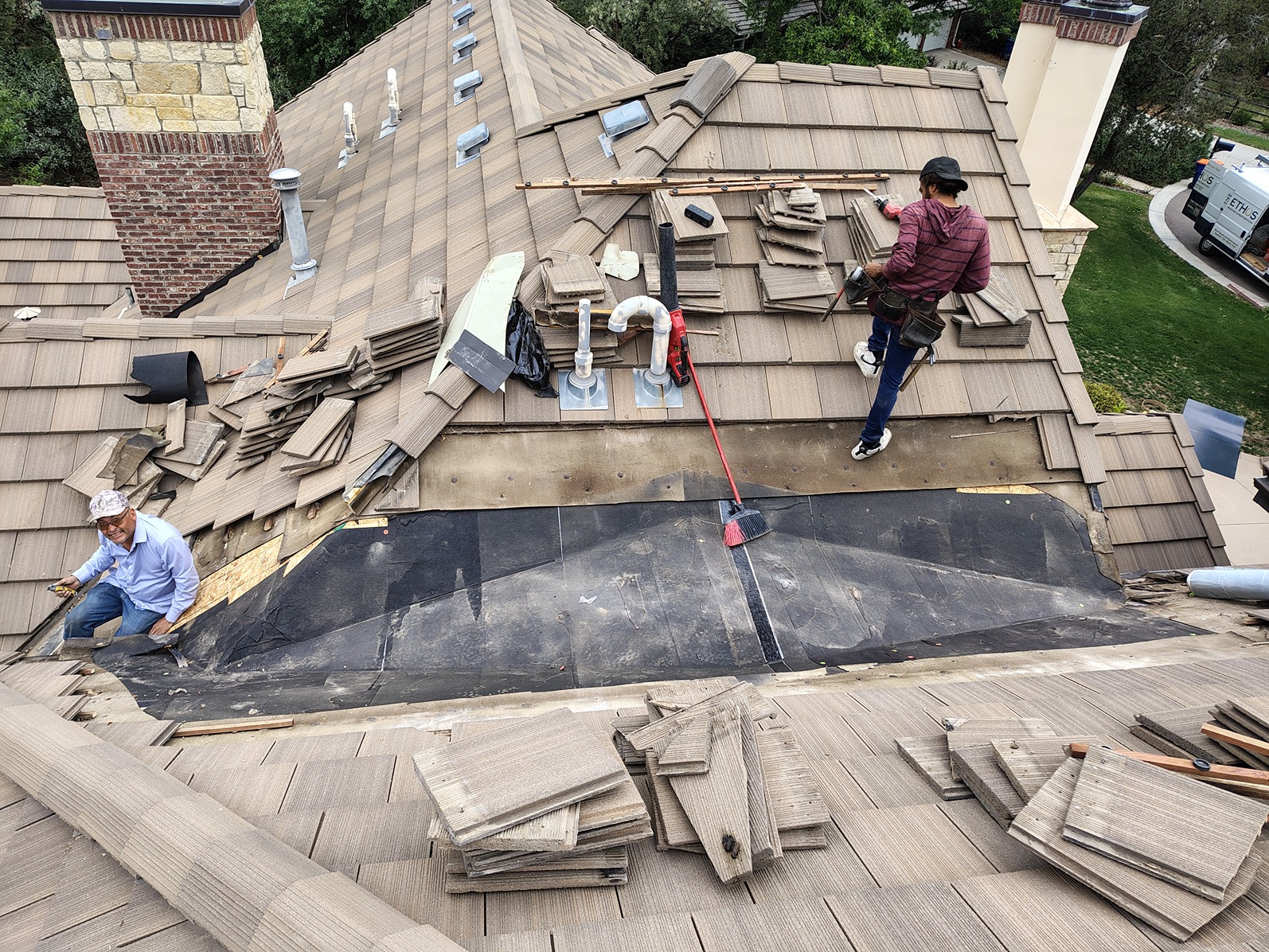
The hail has stopped, the sky has cleared, and your roof looks no different than it did yesterday. However, that doesn’t mean everything is okay. Hail can crack shingles, knock away protective granules, and weaken roofing materials without leaving obvious damage visible from the ground. By the time a leak appears, your home may already have a bigger problem. Calling hail damage roofers after a storm can help you catch hidden damage early and prevent a small problem from turning into an expensive repair.
You might not think twice about your roof when everything looks normal from the ground. But after months of snow, hail, strong winds, and changing temperatures, there could be damage hiding above you. In the Mile High City, where severe weather can put your roof to the test throughout the year, a free roof inspection can help you catch problems before they become expensive surprises.
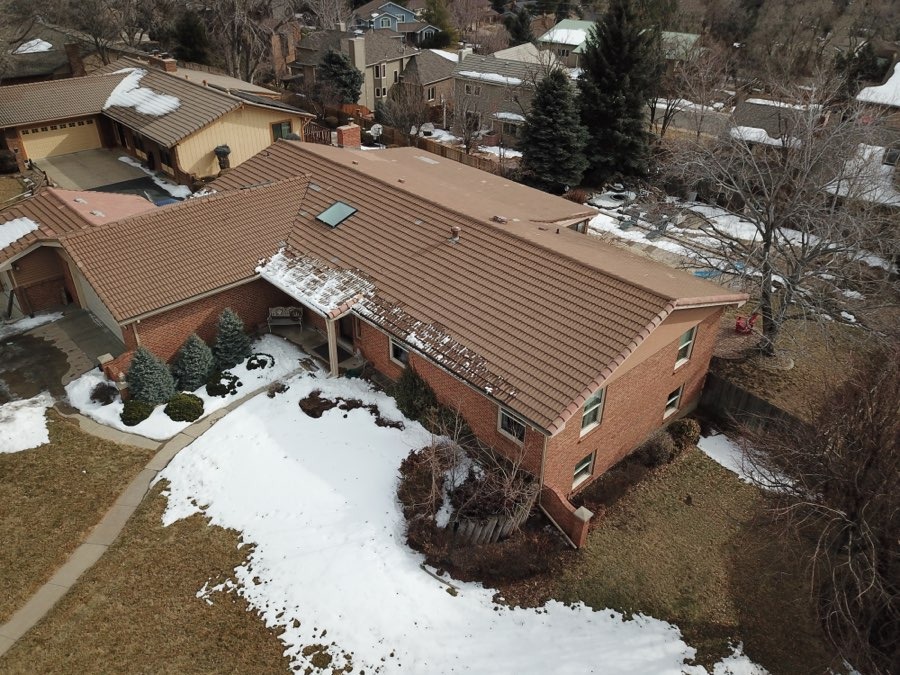
Living in Colorado has its perks, especially with the beautiful views of the Rocky Mountains visible up and down the Front Range. However, many homeowners in Loveland know that Colorado’s beauty has some trade-offs, as Colorado’s climate is unpredictable and can frequently test the durability of roofing systems. When a severe storm rolls in, the first thing many homeowners ask is, “Is my roof storm-proof?” The hard truth is that storm-proof roofing doesn’t fully exist, but that doesn’t mean your roof can’t be resilient to heavy rain, hail, and wind.
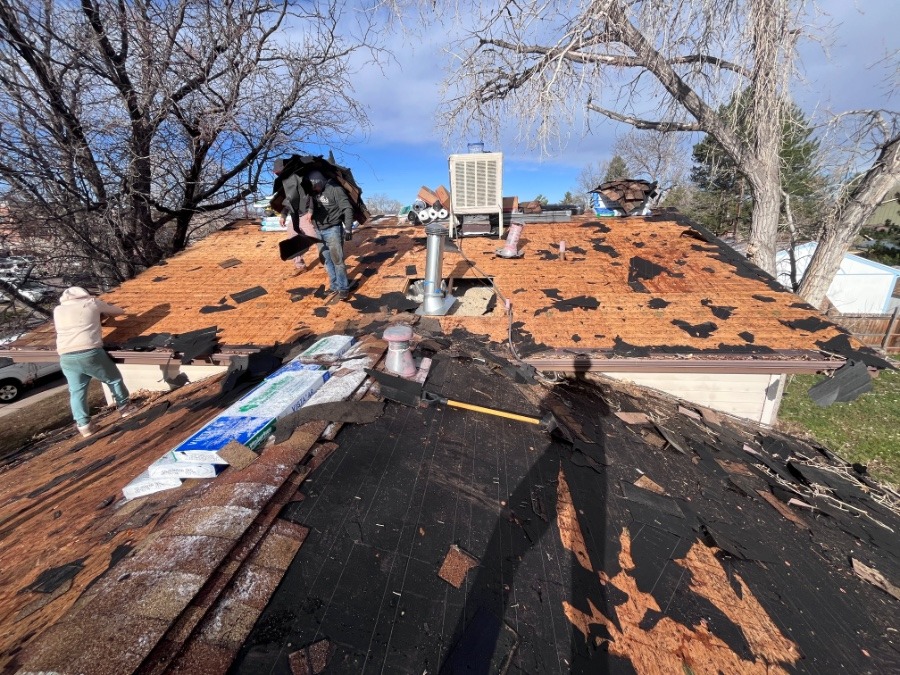
After a severe storm passes, the silence that follows can be deceptive. While the wind has died down and the rain has stopped, your home may still be hiding damage. A storm often compromises your roof’s structural integrity, which is your home’s main defense against the weather. Dealing with the aftermath requires prompt attention and reliable emergency roofing support to keep your family safe and protect your investment.
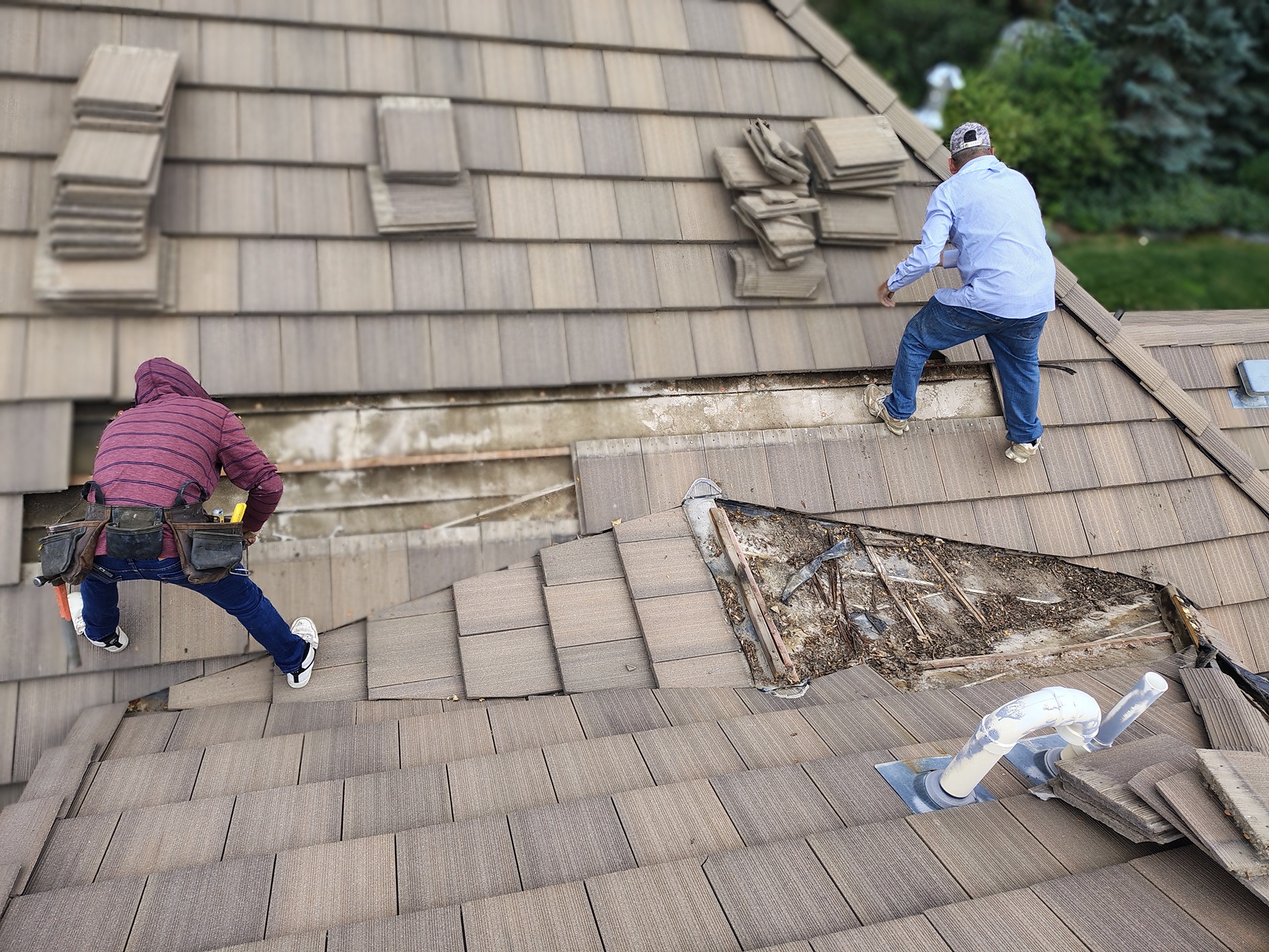
When you begin planning a roof replacement or repair, it is normal to feel stressed. The market is full of “red flags” such as sneaky contractors, high-pressure sales pitches, and shady P.O. box addresses. To get a roof that keeps your home safe, you need to look past the warning signs and focus on the positive traits of professional local roofers.
