
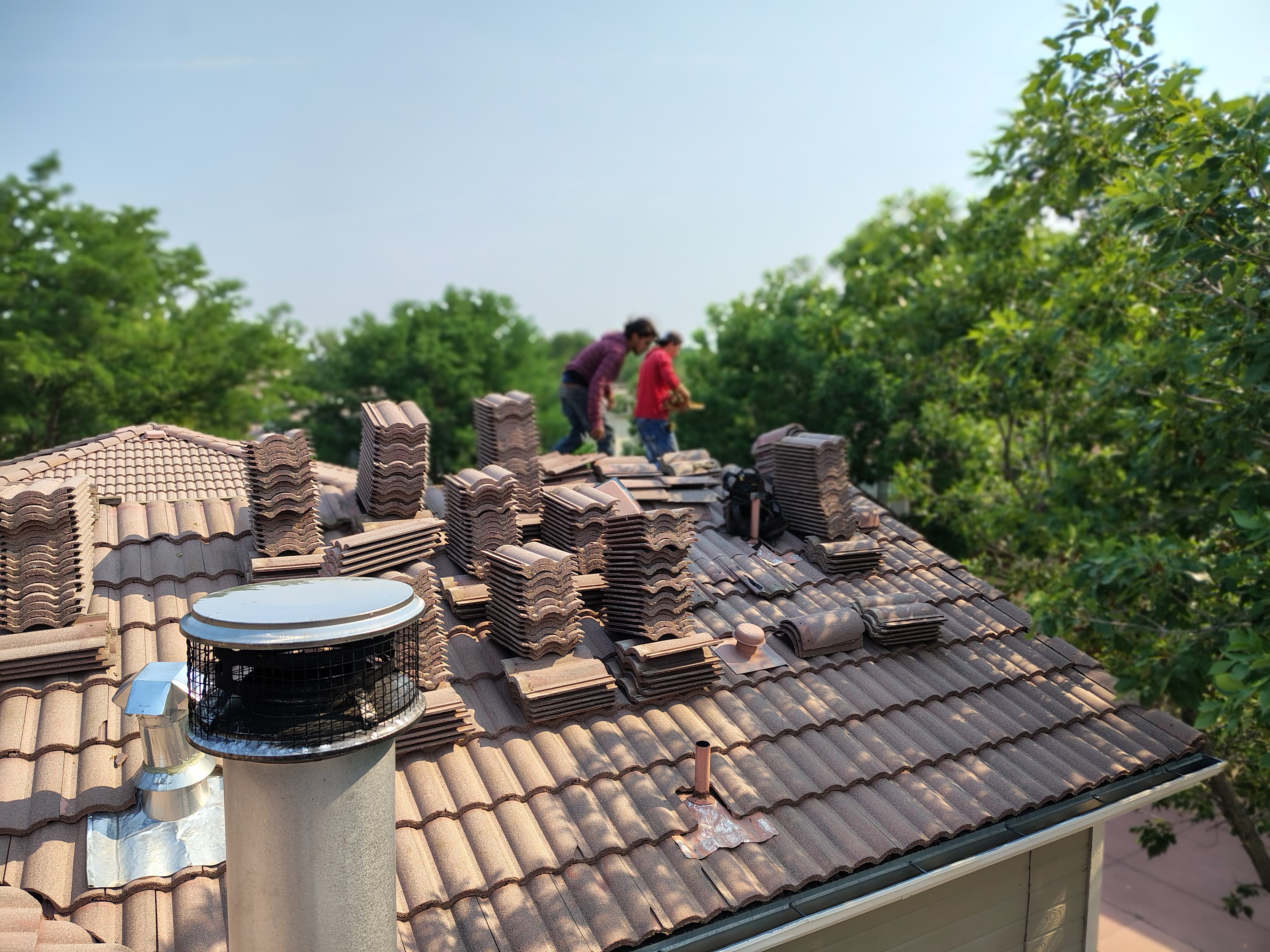
Every homeowner eventually faces a decision that can project or jeopardize their biggest investment. Whether you are recovering from severe storm damage or planning a necessary replacement, understanding local building regulations is your single best defense against expensive repairs, denied insurance claims, and hassle during a future home sale. A new roof is a regulated construction project guided by specific roofing codes designed to keep your home safe, leak-free, and structurally sound against Colorado's unpredictable weather. For Centennial homeowners, treating these local requirements as a roadmap instead of a hurdle turns a standard construction project into a lasting upgrade for your property.
The Financial and Legal Risks of Skipping Permits
Many residents view city permits as unnecessary paperwork, but building regulations exist to protect your wallet. Skipping the permit process creates immediate legal and financial liabilities that can haunt you for years.
What Happens During a Future Home Sale?
When you install a roof without a permit, it is classified as "unpermitted work". This creates a major hurdle when you decide to sell your property:
- Failed Home Inspections: Home inspectors regularly check city permit records for recent home improvements.
- Reduced Home Value: Sellers who disclose significant unpermitted work may receive offers that are 10% to 20% below market value, as buyers factor in the risk, uncertainty, and potential costs of bringing the property into compliance.
- Delayed Closing Dates: Unpermitted work can stall a sale while the city investigates the installation.
- Costly Retrofits: You may be forced to pay thousands out of pocket to expose underlying construction layers or completely replace a brand-new roof so an inspector can verify compliance.
How Unpermitted Work Affects Insurance Claims
Insurance companies actively search for reasons to minimize claim payouts after severe storms. If hail damages a roof that was installed without official permits, your insurer may argue that the installation failed to meet current structural standards. This can lead to partial claim denials, leaving you responsible for thousands of dollars in emergency repairs.
Local Weather and Centennial Construction Rules
Centennial's climate puts constant stress on your roof. Rapid temperature swings, sudden hailstorms, heavy snow, high winds, and UV exposure demand specific installation techniques. High winds, and UV exposure demand specific installation techniques.
Building regulations account for these exact regional threats:
- National Standards (IRC): The International Residential Code sets baseline rules across the United States for structural framing, fire ratings, and moisture control.
- Local Amendments: Centennial adds strict rules to the base IRC framework to address the region’s climate risks, such as high wind uplift and sudden freeze-thaw cycles.
- Mandatory Inspections: Municipal roofing codes mandate official city inspections to confirm that every technical requirement is met before the project is closed out.
Installation Requirements for Centennial Homes
To ensure lasting protection against Colorado weather, city roofing codes enforce several mandatory installation standards during every replacement project.
Mandatory Complete Tear-Offs
City rules strictly prohibit "overlaying" or adding a second layer of shingles over an existing roof. Contractors must perform a complete tear-off down to the bare wood deck. Stripping old materials allows installers to inspect the underlying plywood for hidden rot, water stains, or sagging deck boards before installing new shingles.
Ice and Water Shield Membranes
In areas with heavy snowfall, heat escaping from the home melts snow on the roof. The resulting water trickles down to the cold eave edges, where it refreezes and creates an ice dam. Trapped water then backs up underneath standard shingles. Local codes require a self-adhering, waterproof membrane along all roof edges, extending at least 24 inches past the interior wall line to prevent ceiling leaks.
Metal Flashing and Drip Edges
Proper flashing keeps heavy rain and melting snow from seeping into the vulnerable seams of your roof. Local guidelines mandate specific metal protections:
- Drip Edges: Metal strips along eave and rake edges force water away from fascia boards and directly into gutters.
- Valley Flashing: Heavy-gauge metal protects roof intersections where the highest volume of rainwater flows, ensuring heavy runoff does not penetrate the roof deck.
- Penetration Sealing: Custom flashing must wrap tightly around chimneys, skylights, and exhaust vents to eliminate high-risk leak points.
Wind-Resistant Nailing Patterns
High wind gusts along the Front Range can easily lift loosely attached shingles. Local regulations dictate exact fastener counts and nail placement per shingle. Using proper ring-shank or smooth-shank nails installed at the correct angle ensures your system meets local wind resistance ratings.
Material Selection, Ventilation, and HOA Rules
Selecting the right materials keeps long-term maintenance costs low and ensures full compliance with local standards.
Impact-Resistant Shingles and Savings
Due to frequent hailstorms, many Centennial homeowners upgrade to Class 4 impact-resistant shingles. These engineered asphalt shingles withstand impacts from 2-inch steel balls dropped from high distances without cracking. Beyond durability, most home insurance companies offer substantial annual premium discounts for installing Class 4 systems, helping the upgrade pay for itself over time.
Balanced Attic Air Movement
Proper air circulation is important for shingle longevity. An attic requires a balanced combination of intake vents (soffit) and exhaust vents (ridge) to maintain steady airflow:
- Summer Benefits: Prevents extreme heat from trapping inside the attic and cooking shingles from below.
- Winter Benefits: Reduces moisture buildup from interior heating, eliminating condensation that rots wood framing and creates ice dams.
HOA Architectural Approvals
In addition to municipal building regulations, many properties in Centennial belong to Homeowners Associations. While the city focuses on structural safety, HOAs enforce aesthetic guidelines regarding shingle color, texture, and profile. Homeowners must secure both city permits and HOA architectural approvals before starting work to avoid costly fines or mandatory removal.
Protecting Your Home with Code-Compliant Roofing
Navigating permits, city inspections, complex building guidelines, and insurance requirements can feel overwhelming. Working with an experienced, fully licensed contractor helps ensure that your project runs smoothly from start to finish.
Ethos Roofing & Restoration brings years of hands-on local expertise to every project in the Denver metro area. As a fully licensed and insured contractor, we take the hassle out of the replacement process by managing every detail on your behalf. From pulling initial city permits and coordinating with local inspectors to helping you navigate insurance claims and HOA approvals, our team ensures your home remains fully compliant with roofing codes at every stage. We specialize in high-performing roofing designed specifically for Colorado's demanding climate. When you work with our team, you get complete transparency, professional craftsmanship, and absolute confidence that your property is protected for years to come.
Don't leave your home's most important defense to chance. Schedule a free roof inspection today.
